How to Compare a Custom Gift Box Quote: A Buyer Case
A magnetic gift box inquiry shows why a useful quote starts with a shared specification—not just a reference photo and a target quantity.
A product photo can communicate the mood of a gift box, but it rarely shows enough to define the box that will actually be made. It may not reveal the internal dimensions, the way the lid is constructed, how the products are held in place, or which materials and finishes are included.
That distinction matters when comparing several quantities. A lower unit price is meaningful only when the compared options use the same specification and include the same cost items. This guide uses an anonymized buyer inquiry to show how to turn a visual concept into a quote brief that suppliers can answer consistently.
What the buyer inquiry revealed
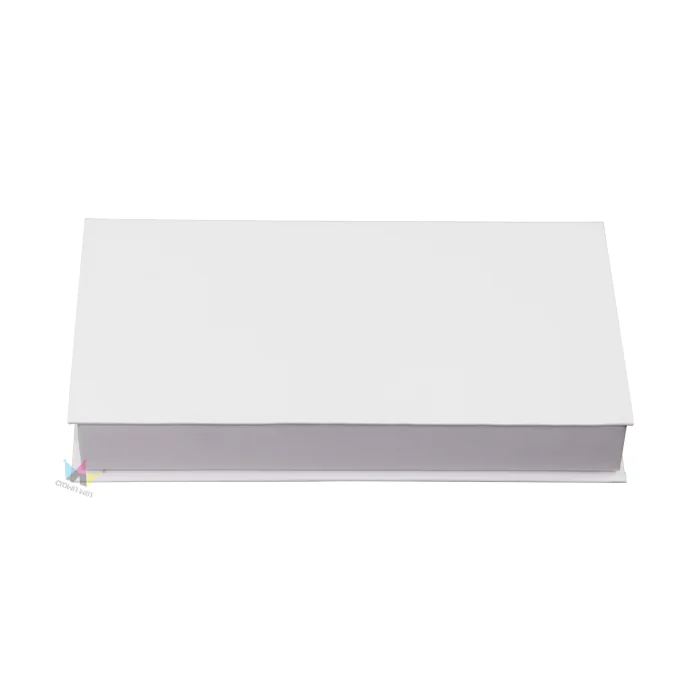
A buyer approached Crown Win about a magnetic presentation box with a matte exterior, a decorative logo, ribbon detail, and a light-colored interior. The inquiry also included logo artwork for more than one lid location and requested pricing at several quantity levels.
The visual direction was helpful, but the quote still depended on several linked decisions: the exact box construction, the usable inside space, how the product would sit in the box, the insert design, and which artwork files should be treated as current.
Case note: This example is based on a buyer inquiry recorded by the team. Identifying details have been generalized. It describes the questions raised during quoting; it does not claim that the inquiry became an order or that production was completed.
The practical lesson is simple: a decorative brief and a production specification are not the same thing. The first helps communicate the intended look. The second defines what each supplier is pricing.
Build one shared specification
Before asking for multiple quantity prices, prepare one version-controlled brief. If a detail is unknown, mark it as an open question instead of letting each supplier make a different assumption.
| Quote field | What to send or confirm | Why it matters |
|---|---|---|
| Product and fit | Product dimensions, number of items per set, orientation, and any accessories. | Sets the usable cavity and clearance the box and insert must provide. |
| Box construction | Reference image or structure; opening style; rigid, foldable, or another format if known. | Different constructions use different materials, assembly steps, and packed volumes. |
| Interior and insert | Product layout, support points, compartments, lining, and whether the product set may change. | Defines how the contents are presented and retained inside the box. |
| Materials and finish | Board or wrap preferences, print colors, surface finish, logo process, and locations. | Turns words such as “matte” or “gold” into quoteable details. |
| Artwork version | Files for each printed or finished area, clearly named and marked current or provisional. | Prevents quotes from being based on different artwork assumptions. |
| Quantity and delivery | Each quantity tier, destination, target timing, and required shipping scope. | Lets suppliers compare like-for-like quantities and clarify delivery costs. |
Start with the product, then set the inside dimensions
List every item that will go in one box, including caps, sleeves, cards, or accessories that affect the fit. Give the dimensions of each item and show the preferred arrangement with a simple sketch or annotated photo. If the product itself is still changing, label the dimensions provisional and state what may change.
Ask the supplier to identify whether the dimensions in the quote refer to the inside or outside of the box. For a fitted insert, the products and insert need to be considered together: a tray can take up space, and a layout that looks balanced in a rendering still needs to be checked against actual item dimensions.
For more detail on measuring a box around its contents, see the site's guide to choosing a gift box structure and custom box inserts.
Describe the finish in a way that can be checked
“Matte exterior” gives a useful direction, but the quote should also identify the selected wrap or printed surface and any coating or decorative process. For a logo, mark its location and provide the right artwork file for that area. If the color or finish is important to approval, say whether it will be checked against a reference, a proof, or a physical sample.
Keep the artwork version in the brief. When inside and outside panels use separate logo files, name them by location and date or version. A folder containing several files called “final” makes it harder to know which design the quote covers.
Separate the packaging sample from the visual reference
A reference photo communicates appearance, but it cannot establish the exact construction, fit, color, or feel of a future production box. If a physical sample is needed, state what it should confirm: for example, the opening, internal fit, insert layout, print placement, or finish. Ask whether the sample cost is included in the quote or shown separately.
Compare quantity tiers on the same basis
Request each quantity option against the same written specification. A comparison can be as simple as a short table:
| Check across every tier | Keep consistent or label the difference |
|---|---|
| Box and insert | Same structure, finished dimensions, insert layout, and number of products per set. |
| Print and finish | Same artwork version, print coverage, logo process, and surface treatment. |
| Included costs | Show sample, packing, and freight charges separately where they apply. |
| Delivery basis | Use the same destination and clarify the shipping method or trade term. |
If one option changes the box structure, removes a finish, or uses a different insert, it is a different design option—not a direct quantity comparison. Ask for the change to be identified next to the price. This makes it easier to see whether a price difference comes from order quantity, specification, or delivery scope.
For a wider breakdown of packaging cost factors, see the custom box cost guide. For the information to include when opening an inquiry, use the packaging brief checklist.
Four quote-comparison mistakes to avoid
- Comparing a photo to a specification. A photo can show the look, while a quote needs dimensions, materials, construction, and insert details.
- Changing several variables at once. If quantity, finish, and structure all change, the reason for a price difference is unclear.
- Treating estimates as final prices. Open dimensions or provisional artwork should be identified as assumptions in the quote.
- Comparing unit prices without delivery scope. Confirm which sample, packing, and transportation costs are included or excluded.
A ready-to-send custom gift box quote brief
Copy this checklist into your inquiry
- Product dimensions and photos
- Items packed in each box
- Preferred product arrangement
- Box style or reference image
- Inside and outside dimensions, if known
- Insert and protection requirements
- Materials, colors, printing, and finishes
- Current artwork files and version notes
- Quantity tiers to compare
- Sample requirements and approval points
- Delivery destination and requested shipping scope
- Target date and any provisional details
You do not need to have every design decision finalized before starting a discussion. Mark what is confirmed, what is provisional, and what you want the supplier to recommend. That gives everyone a clearer basis for the next quote revision.
Frequently asked questions
Can I get a custom gift box quote from a reference photo?
A photo can start the discussion, but a dependable comparison also needs product dimensions, box structure, insert requirements, quantity, artwork details, and destination. The supplier should list any assumptions that remain open.
Should I ask for several quantity prices at once?
Yes, if each quantity is priced against the same specification. If the design changes between tiers, ask for the differences to be listed so the prices are not mistaken for a like-for-like comparison.
What should a gift box sample confirm?
Agree on the purpose before sampling. Common review points include the opening and construction, product fit, insert layout, artwork placement, and selected finish. Confirm which of these are included in the sample scope.
Is an early quote the final production price?
Not necessarily. If the dimensions, artwork, materials, sample approval, or delivery scope are provisional, the quote may rely on assumptions. Ask the supplier to identify those assumptions and reconfirm after the specification is approved.
More Guides
Let’s develop your packaging.
Send product dimensions, quantity, artwork and delivery requirements to start a specification-based enquiry.
→ Request a Custom Quote